There’s a moment before every tattoo.
You’ve chosen the design. You’ve thought about the placement. You can already imagine how it will look on your skin—not just today, but years from now.
And then, almost inevitably, a question comes up:
“Can a tattoo get infected?”
It’s a valid concern. Not paranoia—just awareness.
Because while tattoos are safe when done right, your skin is still going through a process. And understanding that process makes all the difference.
The truth is simple:
Yes, infections can happen—but they are extremely rare when the right steps are followed.
Do Tattoos Cause Infections?
Let’s address the biggest misconception upfront.
Tattoos themselves don’t cause infections. Poor practices do.
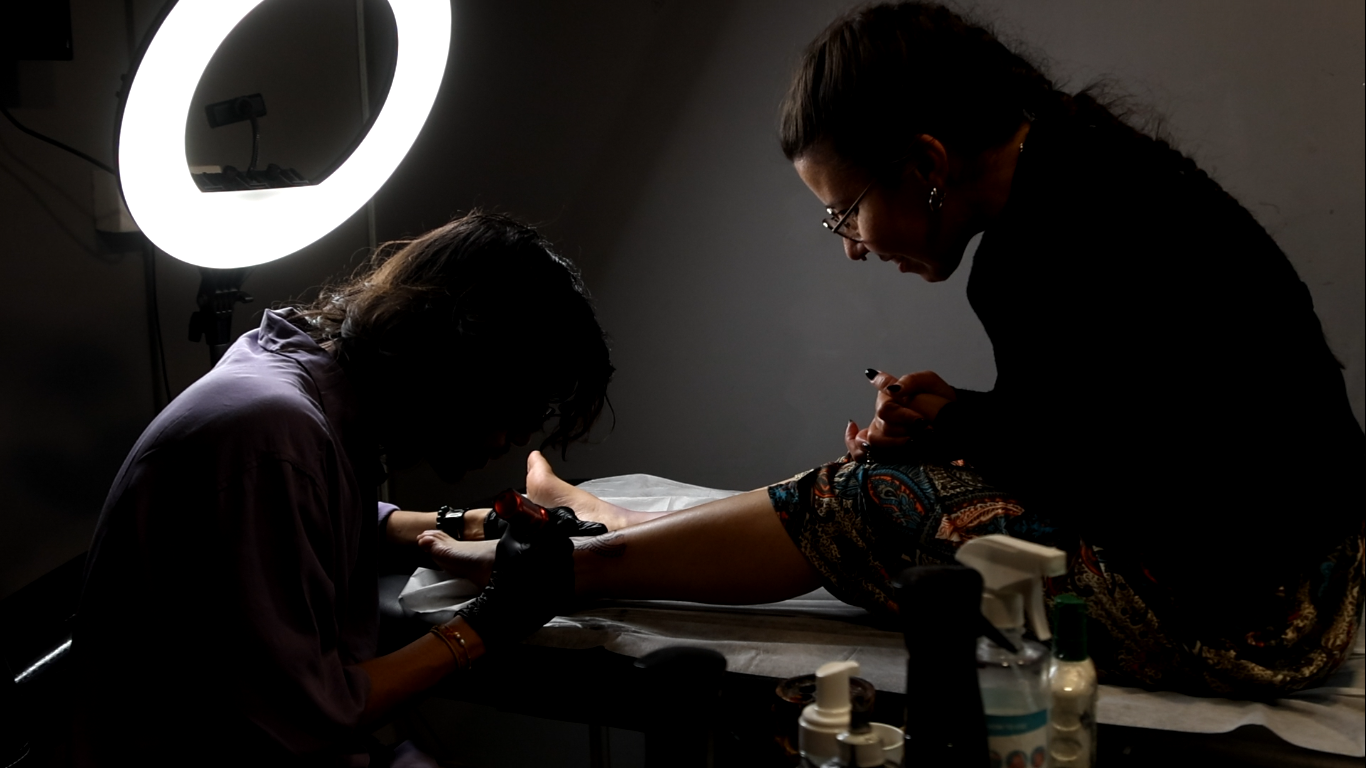
A tattoo is a controlled procedure where ink is deposited into the skin using sterile equipment. In a professional tattoo studio in Ahmedabad, this process is designed to be safe, precise, and hygienic.
Where things go wrong is usually due to:
- Compromised hygiene standards
- Lack of artist experience
- Use of non-sterile equipment
- Negligence during aftercare
👉 The tattoo session is only the beginning.
The healing phase is where most problems either arise—or are prevented.
Understanding the Tattoo Healing Process
One of the most important aspects of avoiding infection is understanding what normal tattoo healing looks like.
Your body treats a tattoo like a minor wound. So some level of reaction is expected.
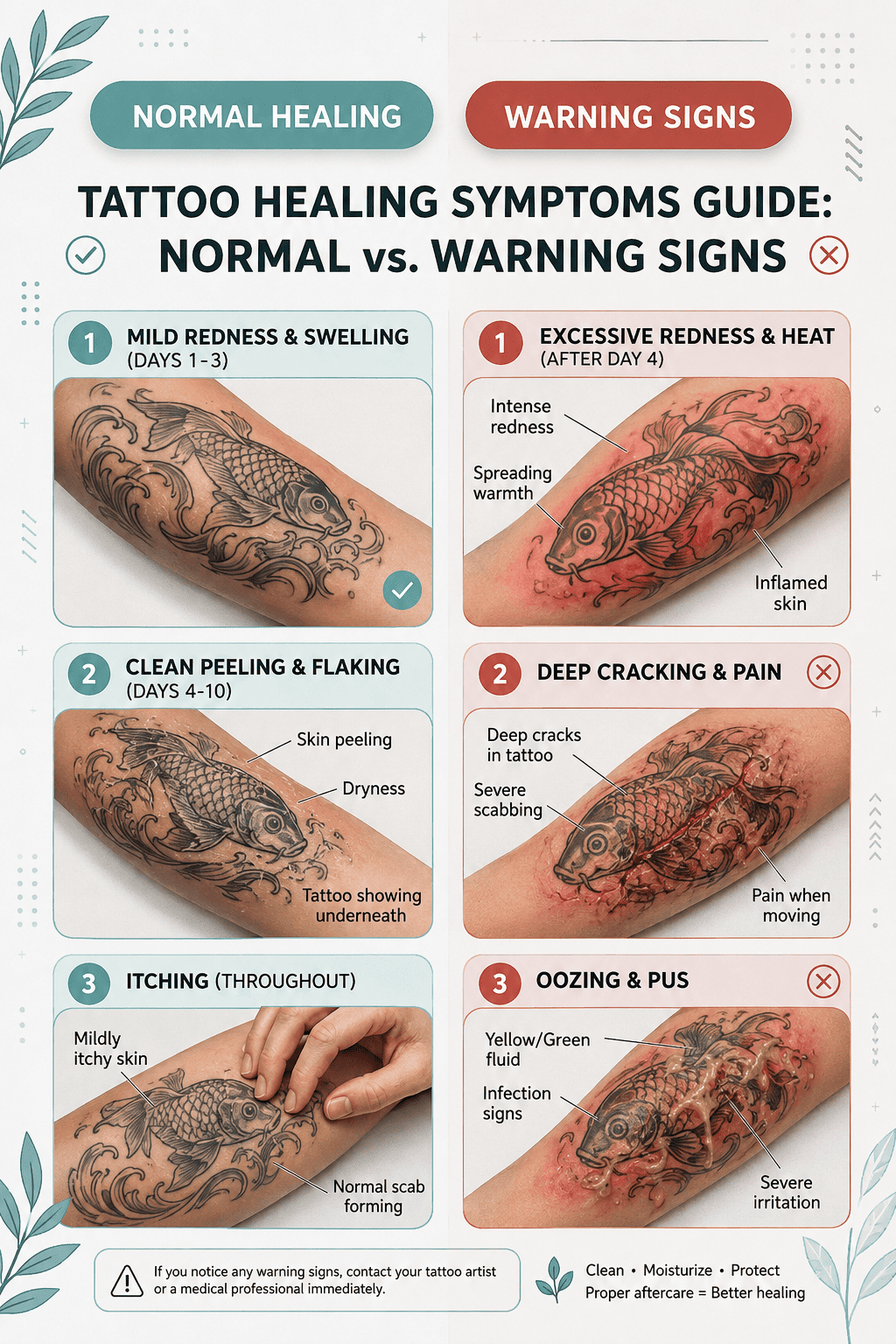
Normal Healing Signs
- Mild redness around the tattoo (2–3 days)
- Slight swelling
- Dryness and flaking
- Light itching
These are not warning signs—they’re part of recovery.
Signs of an Infected Tattoo
However, there’s a clear difference between healing and infection.
Watch out for:
- Pain that gets worse instead of better
- Heat or throbbing sensation
- Yellow or green discharge (pus)
- Fever or general fatigue
👉 Healing should feel like gradual improvement—not deterioration.
If you’re unsure about signs of an infected tattoo and what to do, it’s always better to check early rather than wait.
Why Most Tattoo Infections Happen After the Session
A common assumption is that infections occur during the tattooing process. In reality, this is rare—especially in professional studios.
Most infections begin after you leave the studio.
Here’s where people usually go wrong:
- Touching the tattoo repeatedly with unclean hands
- Letting others touch or “inspect” it
- Ignoring aftercare instructions
- Returning to gym, swimming, or sports too early
- Applying random creams or oils
👉 It’s not one major mistake—it’s a pattern of small lapses.
Consistency matters more than perfection.
How to Prevent Tattoo Infection (Simple & Practical)?
If you’re wondering how to prevent tattoo infection after getting a tattoo, the answer is not complicated—it’s disciplined simplicity.
1. Choose the Right Tattoo Studio
Everything begins with where you get your tattoo.
A safe tattoo studio in Ahmedabad should follow strict hygiene protocols without exception.
Look for:
- Single-use needles opened in front of you
- Sterilized equipment and clean surfaces
- Artists wearing gloves throughout the process
- A visibly hygienic environment
👉 Cleanliness is not a feature. It’s a baseline.
If you’re searching for the best tattoo studio in Ahmedabad for safe tattoos, prioritize safety as much as design.
2. Follow Proper Tattoo Aftercare
Aftercare is where your tattoo becomes permanent.
Basic guidelines:
- Wash gently with mild, fragrance-free soap
- Pat dry using a clean towel
- Apply recommended ointment in a thin layer
- Keep the tattoo breathable
Avoid:
- Over washing (can irritate skin)
- Over-moisturizing (can clog pores)
- Using non-recommended products
👉 When in doubt, less is more—just be consistent.
3. Let the Skin Heal Without Interference
Your body knows how to heal. Your job is to not interrupt it.
Avoid:
- Scratching the tattoo
- Picking at peeling skin
- Removing scabs prematurely
👉 These habits can lead to infection and affect the final look.
Patience is part of the process.
4. Adjust Your Routine Temporarily
For a couple of weeks, your lifestyle needs minor adjustments.
Avoid:
- Swimming pools, lakes, or open water
- Heavy workouts causing excessive sweat
- Direct sunlight exposure
- Tight clothing that causes friction
If you’re wondering what to avoid after getting a tattoo, following these steps significantly reduces risk.
What to Do If Your Tattoo Shows Signs of Infection
Even with the best precautions, if something feels off—don’t ignore it.
Early intervention is key.
Here’s what you should do:
- Keep the area clean and dry
- Avoid applying random creams or antibiotics
- Contact your tattoo artist immediately
- Consult a doctor if symptoms persist
👉 Most tattoo infections are easily treatable when caught early.
Delays can impact:
- Skin quality
- Ink retention
- Sharpness of the design
The Role of Professional Guidance
One of the biggest advantages of choosing a professional studio is ongoing support.
Because let’s be honest—aftercare instructions can feel overwhelming, especially for first-timers.
That’s where professional guidance makes a difference.
How White Snake Tattoo Studio Helps
At White Snake Tattoo Studio, the relationship doesn’t end once the tattoo is done.
We stay involved throughout your healing journey.
Here’s how:
- We stay connected via WhatsApp for easy communication
- You can share healing progress anytime
- We guide you if something looks unusual
- You can visit the studio for a quick check if needed
👉 No second-guessing. No misinformation. No stress.
Because a tattoo isn’t just about how it looks immediately—it’s about how well it heals over time.
Why Aftercare Impacts the Final Result
Most people focus on the tattoo session—but underestimate healing.
Here’s the reality:
Even a perfectly executed tattoo can heal poorly with bad aftercare.
And a decent tattoo can heal exceptionally well with proper care.
Aftercare directly affects:
- Color vibrancy
- Line sharpness
- Overall finish
👉 Healing is where your tattoo truly settles into your skin.
Think of aftercare as protecting both your skin and your investment.
Tattoo Healing Timeline: What to Expect
If you’re wondering how long does a tattoo take to heal properly, here’s a realistic breakdown:
Days 1–3:
Redness, sensitivity, slight swelling
Days 4–10:
Peeling and itching begin
Days 10–21:
Surface healing completes
Weeks 3–6:
Deeper layers fully recover
👉 Even if it looks healed early, your skin is still repairing underneath.
Final Thought
Tattoo infections are not something to fear.
They’re something to understand—and prevent.
With:
- The right tattoo studio
- Proper hygiene practices
- Consistent aftercare
Your tattoo heals exactly as it should:
Clean. Sharp. Timeless.
FAQs
How common are tattoo infections?
Very uncommon when done in a professional studio with proper aftercare.
What are signs of an infected tattoo?
Pain, pus, heat, swelling, fever.
How long does a tattoo take to heal?
Surface healing takes 2–3 weeks. Complete healing can take up to 6 weeks.
How to prevent tattoo infection after getting a tattoo?
Follow hygiene, proper aftercare, and avoid touching.
Can I shower after getting a tattoo?
Yes. Keep it gentle and avoid soaking the area.
When can I start working out again?
Wait at least 5–10 days depending on placement and healing.
Is itching normal?
Yes, itching is part of healing. Pain and discharge are not.
Can I use any moisturizer?
No. Only use products recommended by your artist.
What if I accidentally touch my tattoo?
Clean it gently. Avoid repeated contact.
Can sun exposure affect healing?
Yes. Avoid direct sunlight during healing.
Should I cover my tattoo while sleeping?
Only if advised. Otherwise, keep it clean and avoid friction.
When should I see a doctor?
If you notice pus, fever, or worsening pain after a few days.